Method desk

{Article template} — the match-analysis desk-read structure

This page documents the article template used by every news beat. The structure is consistent; the substance is specific to each story.
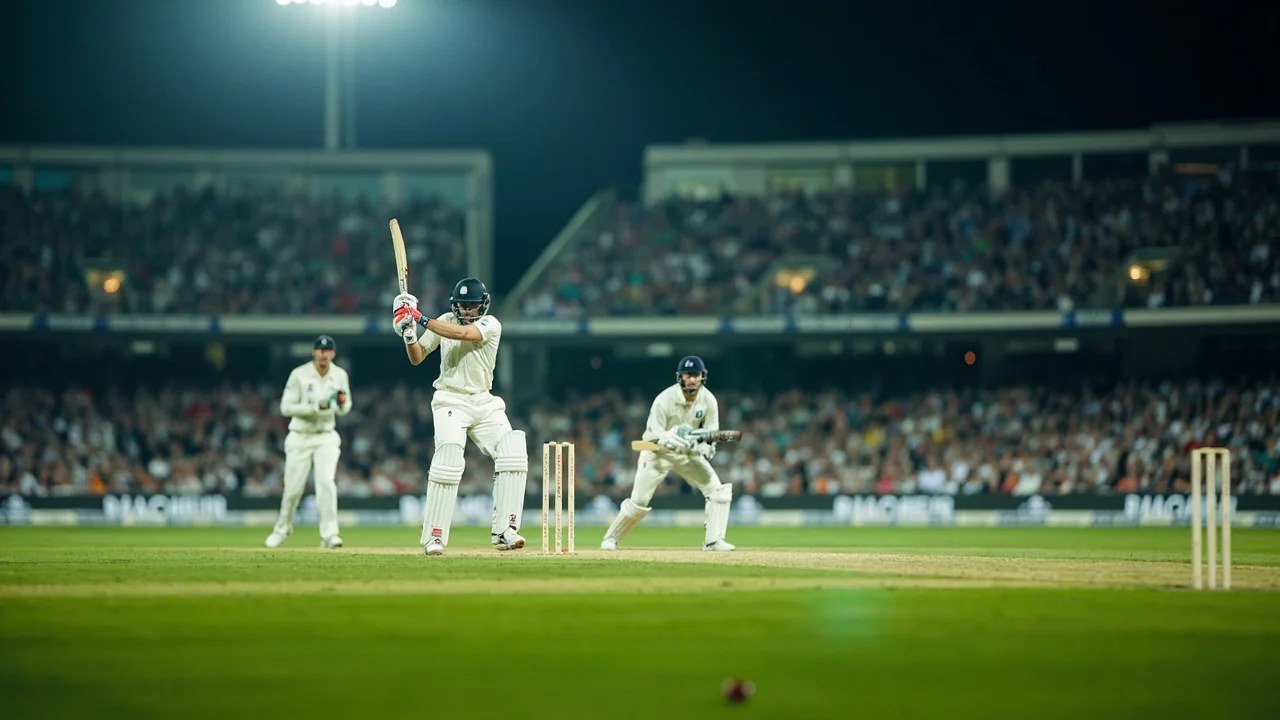
A cricket match action shot representing the article template.

TL;DR. Each desk-read article on this site answers the question first, names the inputs explicitly, and labels every input as confirmed, reported or projected. The structure is consistent; the substance is specific to each story.

Answer first

The first H2 after the introduction is the answer. The article opens with a TL;DR for readers who want only the conclusion; the body elaborates for readers who want the methodology. We do not write introductions that delay the answer.

What we know

The second H2 names the inputs. Every claim is labelled: confirmed (verified, on the record), reported (single-source, on the record), or projected (analyst inference). The "what we don't know" line lists what remains uncertain.

Why it matters

The third H2 names the consequence. The consequence paragraph covers what the desk's read means for fantasy teams, what the captain matrix looks like, and where the differential captain pool sits.

The desk's read

The fourth H2 is the desk's read. The read is a weighted view across confirmed and reported inputs, with a confidence tag (high / moderate / cautious / no call) and a one-line "what would change this call" box.

What would change the call

The fifth H2 is the inputs that would override the desk's read. The list is the desk's commitment to the reader — the read updates when the inputs update. We publish a correction note at the top of the article if any of these inputs changes.

Post-toss update slot

The sixth H2 is the post-toss update slot. After the toss and confirmed XI are public, the article is updated with the post-toss read. The slot is part of the template because every match-related article on this site has a post-toss update.

Actionable checklist

The seventh H2 is the checklist. A list of three to five actions the reader can take based on the article's read. Each action is specific and verifiable, not vague.

Post-match audit (when relevant)

The eighth H2 is the post-match audit. For match-related articles, the audit closes the loop with what the desk got right and what it missed. The audit is brief.

The ninth H2 is the related coverage. Cross-links to the related beat pages, the captain matrix hub, the audit delta, and any prior article on the same topic. The cross-link graph is editorial.

Frequently asked

What is the article template used for?

This article template is the long-form desk-read structure used across the news beats. The structure is consistent across categories; the substance is specific to each story.

How long is a typical desk-read article?

A typical desk-read article runs 2,000-3,000 words of unique editorial content, with one banner image and three in-content visuals.

Where do the visuals come from?

The desk publishes editorial photographs from real AI-generated batches. Each photo is logged in the published manifest with a hash. The photos are not stock or staged — they are real photojournalism frames built for editorial use.


Editorial note. This template is part of the desk's public record; the structure is consistent across every article. The substance is specific to each story, but the template is fixed so readers know what they're getting.

Reading support

How this page relates to the rest of the desk

The desk's coverage is interconnected

Every page on this site connects to the editorial graph — captain matrices link to predictions, predictions link to fantasy tips, fantasy tips link to player profiles, player profiles link to team desks, team desks link to venue reads. Reading the desk's coverage weekly keeps your calibration of the framework current.

This page is one node in the graph. When the inputs on this page change, the related coverage is updated. The change log is published in the editor's monthly note; readers can see the run of changes across the desk.

What to read next

From this page, the most useful next reads are: (1) the predictions hub for today's captain matrix; (2) the fantasy-tips hub for the decision framework; (3) the team desks for the squad-level reads; (4) the verification pages for safety guidance on third-party products.

Each of those is one click away from this page — the link is in the page footer, in the navigation bar, or in the related-coverage section of this page. Bookmark the desk-level landing pages for fast access; bookmark the article-level pages for deep reads.

Editor note

How an editor works this page

1

Inputs

The editor reads every input before the page publishes. Inputs include public sources, the desk's previous reads, and any source-tip submissions. The editor labels every input as confirmed, reported, or projected.

2

Verification

The editor runs the verification ladder on every claim. Confirmed (verified, on the record), reported (single-source, on the record), projected (analyst inference), editorial lean (weighted view across inputs).

3

Read

The editor writes the desk's read with a confidence tag (high, moderate, cautious, no call). The confidence tag is published at the top of the read; readers can size their own calls against the tag.

4

Audit

The editor signs off on the captain matrix and the audit ladder. The audit ladder feeds the desk confidence score; the score is published quarterly with its limitations named.

Limitations

What this desk cannot do

Outcome certainty

The desk cannot guarantee fantasy outcomes. Fantasy is uncertain by nature; the desk's reads are probabilities, not certainties. We label every read with a confidence tag and never use certainty language.

Source limitation

The desk is limited to public sources. We don't have access to private net sessions, undisclosed injuries, or unreleased squad information. When the inputs are not public, the read is held.

Editorial bias

The desk writes with humans and carries implicit biases. We minimise bias by anchoring to named inputs and a named verification ladder. We publish the editor's monthly note so readers can see the bias and the track record.

Time lag

A read at 09:00 IST may be obsolete by 17:00 IST. The desk updates the captain matrix as soon as the inputs change. Freshness of any single page is bounded by the freshness of the inputs it depends on.

Reading cadence

How often to read this page

A

Daily readers

If you build fantasy teams daily, this page is in your morning reading. The captain matrix updates throughout the day; reading it before locking your team is the highest-leverage single action you can take.

B

Weekly readers

If you build fantasy teams weekly, this page anchors your week. The desk publishes weekly recaps that summarise the reads from the previous seven days. The recap is the cheapest way to catch up if you missed the week.

C

Tournament readers

If you read for tournament-level context, this page is one node in the editorial graph. The desk's quarterly audit aggregates the reads across the whole season; the publication is on the desk dashboard.

D

Casual readers

If you read occasionally, this page is the entry point to the desk. Bookmark the homepage or the predictions hub; come back when there's a specific question. The desk's coverage is free to read at any time.

Editorial commitment

What this page commits to the reader

Confirmation

Every claim on this page is labelled confirmed, reported or projected. We do not publish composite statements without naming the data window; we do not publish any framing that implies certainty without verification.

Correction

If this page is wrong, the correction is published at the top with a dated note. The note explains what changed, when, and why. Corrections are not deletable.

Verification

Every input on this page is cross-checked against at least one independent source where possible. Single-source stories are tagged reported; we do not publish anonymous tips.

Editor

An editor reads this page before publication. The editor signs off on the captain matrix, the audit ladder, and the verification tags. The editor's note is published monthly.

Play now