Gujarat Titans — Ahmedabad flat track, Shubman Gill's batting captaincy, and the Rashid wicket-taking matrix
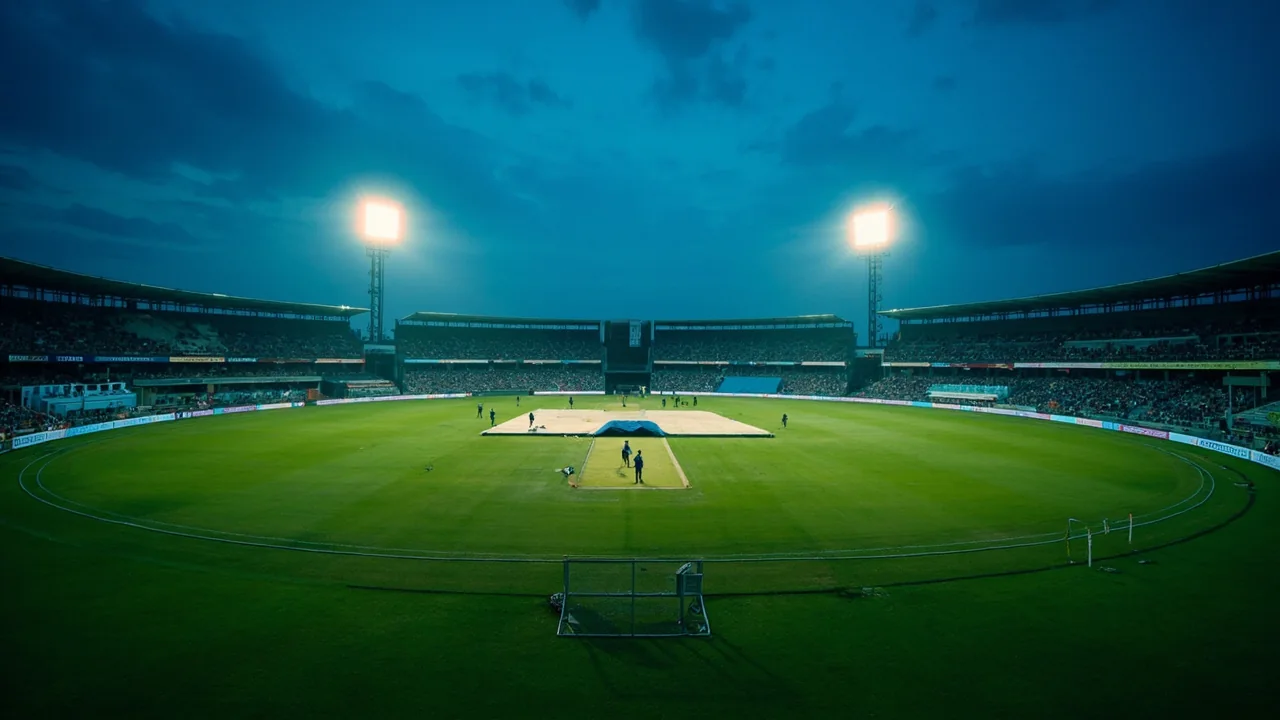
GT is built around the flattest deck in the league. The Narendra Modi Stadium in Ahmedabad produces totals in the 200-plus range most nights and rewards the batters who take the initiative through the powerplay. Shubman Gill leads the side with a top-order batting brief; Rashid Khan is the wicket-taking anchor in the middle overs. Sai Sudharsan and Jos Buttler fill the top-order slots that make GT's batting the deepest in the league.
What the GT squad looks like in 2026
Top-order and middle-order
Sai Sudharsan and Jos Buttler open for GT in most fixtures. Sudharsan anchors with the strike rotation through the powerplay; Buttler takes the boundary-hitting risk against the new ball and sets up the platform for the middle overs. Shubman Gill slots in at three and plays the long innings — his average ball count per innings is the highest in the squad because the Ahmedabad surface lets him bat through.
The middle-order is built around David Miller when the franchise wants a left-hander in the middle overs, with Rahul Tewatia as the spin-bowling allrounder finisher. The franchise's batting depth is the deepest in the league — six batters in the top seven can score at a strike rate above 140 on a flat deck. The captain matrix on GT rewards the role-locked anchors and the powerplay aggressors in equal measure.
Pace and spin
The GT pace battery runs through Mohammed Shami as the powerplay and death-overs specialist, with the seam allrounders rotating fixture to fixture. The franchise prefers pace on the flat Ahmedabad deck; the surface does not reward spin unless the ball grips in the second innings on a used square. Rashid Khan is the lone spinner who takes wickets on every surface and is the captain's preferred middle-overs match-up against right-handers.
The pace-spin balance on GT is roughly 65-35 in favour of pace on flat decks. When the franchise plays an away fixture at Chepauk or Kolkata, the balance shifts to 50-50 because the surface starts to grip from over six. The differential captain on a slow away deck is Rashid Khan when his role share expands to four overs at the death.
The GT allrounder pair
Rashid Khan and Rahul Tewatia form the GT allrounder axis. Rashid bats in the middle order and bowls his four overs in the middle phase; Tewatia is the finisher at seven or eight with a left-arm spin option on the side. The pair's role share is the most consistent in the squad, and the captain matrix on slow away decks collapses to one of them as the safer captain read.
On flat decks, Rashid is the captain because his wicket-taking ceiling is unmatched; Tewatia is the captain on slow decks where his left-arm spin matches up against a right-heavy opposition. The pair's combined bat-and-bowl output is what the desk tracks when assessing whether the GT captain pool compresses or widens on a given fixture.
Impact-player slot and rotation
The GT impact-player slot has rotated between a third seamer on flat decks and an extra batter on slow decks. The franchise prefers the third seamer when the opposition reads as right-hand dominant and the death overs need reinforcement; the extra batter is the read when the franchise is batting first and wants a sixth-batter option in the middle.
Watch for the impact-player announcement at the toss — that is when the differential captain reads become clearest on a GT fixture. The franchise does telegraph the rotation in the warm-up coverage; the desk logs the telegraphed slot and adjusts the captain matrix within minutes.
Questions our readers ask
The Narendra Modi Stadium surface plays flat and the square boundaries are short, so the GT top-order batters get value runs through the powerplay and the middle overs without the bowlers holding them back.
Rashid remains a Tier-1 captain candidate on every fixture where he is taking wickets, but with Shubman Gill leading the batting, Gill is the captain on flat decks and Rashid is the captain on slow away decks.
Sai Sudharsan as the anchor, Jos Buttler as the powerplay aggressor, and the death-overs seamer who rotates fixture to fixture.