Franchise desk · CSK

Chennai Super Kings — Chepauk spin-first deck, Ruturaj Gaikwad's captaincy, and the death-bowling gap

CSK is built around a Chepauk-first identity that has defined the franchise for two decades. With Ruturaj Gaikwad leading the side and Devon Conway opening alongside him, the franchise reads as a spin-first side on home fixtures. The M. A. Chidambaram Stadium in Chennai has the strongest spin-friendly square in the league. Shivam Dube takes the attack to the spinners in the middle overs; the death-bowling slot remains the most variable role in the squad and drives the differential captain pool.
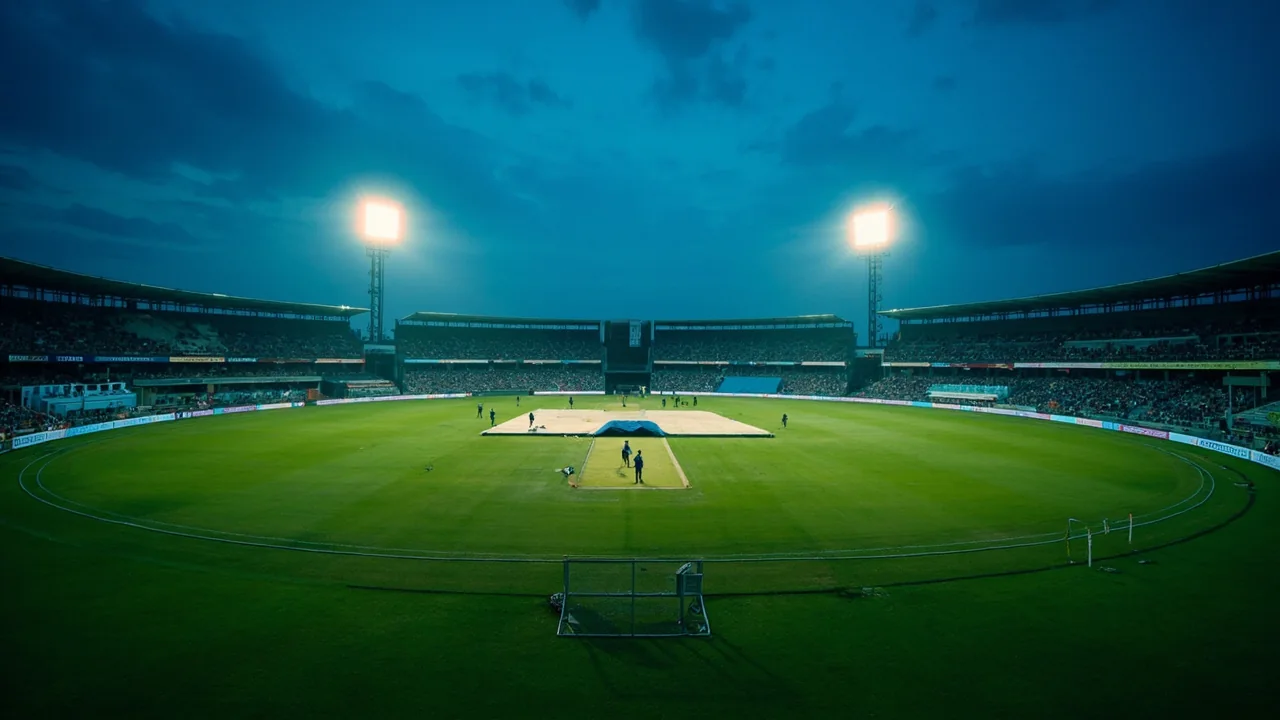
Editorial view of the M. A. Chidambaram Stadium (Chepauk) in Chennai — CSK's home venue during an IPL 2026 match.
Independent editorialNo operator ties
Free to readNo subscription, no app
Updated continuouslyToss to post-match
Responsible framingSkill game, real money, real risk
Squad structure

What the CSK squad looks like in 2026

Batting

Top-order and middle-order

Ruturaj Gaikwad and Devon Conway open the batting for CSK in most fixtures. Gaikwad sets the tempo through the powerplay with his boundary-hitting against the new ball; his strike rate through the first six overs is among the highest in the squad. Conway anchors with strike rotation and plays the longer innings on slow decks where the run-scoring becomes harder in the middle overs.

The middle-order is anchored by Shivam Dube at four, with the impact-player slot and the rotating overseas batters covering overs 11 through 18. The franchise's middle-order depth is built around a left-hand power-hitter in Dube who takes the attack to the spinners; the captain matrix rewards the role-locked anchors and the Dube finisher role on slow decks.

Bowling

Pace and spin

The CSK spin unit is the heart of the bowling attack. The wrist-spinner and the left-arm spin allrounder bowl the bulk of the middle overs at Chepauk. The pace battery runs through the rotating seamers who share the new ball and the death overs. The franchise prefers spin on home fixtures and balances the attack with pace on flat away fixtures.

The pace-spin balance on CSK is roughly 35-65 in favour of spin on home fixtures and shifts to 55-45 in favour of pace on flat away fixtures. The wrist-spinner's role share jumps on the turning Chepauk deck — he bowls four overs in the middle and is the captain's preferred wicket-taking option when the ball grips.

Allrounders

The CSK allrounder pair

Shivam Dube and the rotating seam-bowling allrounder form the CSK allrounder axis. Dube bats in the middle order and bowls his medium-pace in the middle phase; the seam-bowling allrounder slots in at six or seven and bowls his four overs across the powerplay and the death. The pair's role share is the most versatile in the squad, and the captain matrix on slow decks collapses to one of them as the safer captain read.

On slow decks, the wrist-spinner allrounder is the captain because his wicket-taking ceiling is unmatched; the seam allrounder is the captain on flat decks where his bowling role expands. The pair's combined bat-and-bowl output is what the desk tracks when assessing whether CSK's captain pool compresses or widens on a given fixture.

Bench

Impact-player slot and the death-bowling gap

The CSK impact-player slot and the death-bowling role are the most variable in the league. The franchise has rotated between a third seamer and a batting option depending on the fixture and the venue. The death-bowling slot in particular depends on workload management — when the lead seamer is rested, the captain matrix holds the death-bowling read as a Tier-2 captain until the squad is confirmed.

Watch for the impact-player announcement at the toss and the workload announcements in the press conference — that is when the differential captain reads become clearest on a CSK fixture. The franchise does telegraph the rotation in the warm-up coverage; the desk logs the telegraphed slot and adjusts the captain matrix within minutes.

Frequently asked

Questions our readers ask

The M. A. Chidambaram Stadium in Chennai has the strongest spin-friendly square in the league. The ball grips from over four on most nights and the wrist-spinners come into the game earlier than at any other venue.

Ruturaj Gaikwad holds the captaincy and opens the batting. The fantasy read is that he anchors the powerplay while Devon Conway rotates strike and Shivam Dube takes the attack to the spinners in the middle overs.

CSK's death-bowling slot is the most variable in the league and depends on workload management. The captain matrix treats the slot as a Tier-2 read until the squad is confirmed at the toss.

Venue read

How Chennai Super Kings read at Chepauk

Chepauk's spin-first identity

The M. A. Chidambaram Stadium in Chennai has the strongest spin-friendly square in the league. The ball grips from over four on most nights, the wrist-spinners come into the game early, and the square boundaries are short enough to keep the batters interested. Totals in the 160-180 range are competitive; the franchise reads as a bowl-first side when winning the toss on a fresh square.

On a used Chepauk square, the surface turns square from the first over and the wrist-spinners dominate. The captain matrix on a used home square collapses to Gaikwad and the wrist-spinner allrounder as the only Tier-1 captain candidates. The desk tracks the square's match history from the IPL portal and updates the matrix within the first three overs of the innings.

The away-venue tax for CSK

CSK's away fixture tax is the highest in the league on flat decks (Ahmedabad, Bengaluru, Hyderabad, Mumbai) and the lowest on slow decks (Kolkata, Delhi, Jaipur). The franchise builds its home XI around a spin-first profile — wrist-spinner takes the middle, left-arm spin allrounder covers the spin-bowling slot — and that profile doesn't translate cleanly to flat-deck away fixtures. On an Ahmedabad away fixture the franchise is forced to play an extra seamer, which dilutes the spin match-up.

The captain matrix widens on flat away fixtures because the differential pool expands. The Gaikwad-or-Dube captain question is settled by the venue; the Conway-in-the-top-three question is settled by the chase total; the impact-player seam option is settled by the surface. Tracking how the spinners are used on away fixtures is the single most useful away-venue read on CSK.

Travel and the back-to-back blocks

CSK's travel pattern in 2026 is moderate — the franchise plays home-and-away blocks of two to three matches with longer turnarounds than most. The captain matrix on a back-to-back fixture reads differently from the matrix on a rested fixture. Watch for the workload announcements around the death-bowling seamers: when the lead seamer is rested, the captain pool widens by exactly one name and the differential plays weaken.

On a five-day turnaround after an away block, the franchise typically rests one of the seam allrounders and brings in the batting backup. The captain matrix on those fixtures treats the rested player as a Tier-3 read at best. The desk logs the workload announcements within an hour of the press conference and updates the matrix before the squad confirmation.

Pitch history and dew at Chepauk

Chepauk's dew history is moderate — the Chennai evenings are humid through most of the season, and when the dew sits in the second innings the ball comes onto the bat, the spinners lose their grip, and totals in the 180s become gettable. The dew forecast drives the captain matrix more than the surface reading — the franchise's bowl-first preference flips on heavy dew nights because the chase advantage is too large to ignore.

The Chepauk pitch history over the last three seasons shows a clear spin bias. The dew reads as a Tier-2 input on most fixtures; the surface reads as a Tier-1 input because the deck changes match to match. The desk logs both before the toss and updates the captain matrix within minutes.

Captain-shortlist pattern

The three-name shortlist on a typical Chepauk fixture

Safer captain — Ruturaj Gaikwad on a slow deck

Ruturaj Gaikwad is the safer captain on a slow Chepauk deck. His role share is stable — he opens, anchors through the powerplay and the middle overs, and finishes the innings with the lower order on a chase. On a slow deck with the dew in the second innings, Gaikwad's anchor role compresses to a finish role and his ceiling climbs. The safer captain is Gaikwad on every home fixture and on every slow-deck away fixture.

The captain read on Gaikwad tightens when the franchise wins the toss and bowls first; it loosens when the franchise bats first and the surface reads flat. The desk treats Gaikwad as Tier-1 captain candidate on the slow deck and Tier-2 when CSK bats first on a flat away deck.

Balanced captain — Shivam Dube on a slow deck

Shivam Dube is the balanced captain on a slow deck. He bats in the middle order, bowls his medium-pace in the middle phase, and fields at the key catching positions. The role share is locked — the captain doesn't rest Dube unless there is a workload issue. On a slow deck, Dube's bat-and-bowl output compresses the captain pool because nobody else in the franchise carries the same left-hand power-hitting role against spin.

The balanced captain on Dube tightens on the slow deck where the spinners dominate; it loosens on flat home fixtures where the bowling role compresses and the batting role becomes the dominant captain lever. The desk's read on Dube is that he is the safest Tier-1 captain when the franchise is bowling first on a used square.

Differential captain — the wrist-spinner held back

The CSK wrist-spinner held back for the middle overs is the differential captain on a slow Chepauk deck. His ownership sits low because most fantasy readers expect the wrist-spinner to bowl in the powerplay; when the captain holds the spinner back for the middle overs, his role share goes up and his wicket-taking ceiling climbs. The differential comes from the read on the rotation — if the spinner is held back for the 8th-15th over phase, he is the captain.

The differential read on the wrist-spinner tightens when the opposition is left-hand heavy and his angle is neutralised; it loosens when the opposition carries three or more right-handers and his googly becomes the dominant match-up. The desk tracks the opposition's left-right split before locking the wrist-spinner as the differential captain.

When the CSK captain pool compresses

The captain pool compresses on the days when Gaikwad is confirmed in the XI and the surface reads slow. On those days the safer captain is Gaikwad, the balanced captain is Dube, and the differential captain is the wrist-spinner — the captain pool narrows to three names and the differential plays weaken. Watch for those days because the grand-league captain contest becomes a coin flip between Gaikwad and Dube.

The pool widens on flat away fixtures where Dube's bowling role compresses and the franchise needs a finishing batter in the captain slot. On those days Conway or the impact-player seam option enter the captain conversation. The desk logs the surface reading within three overs of the innings and adjusts the captain matrix accordingly.

Post-match audit pattern

How the desk audits every CSK fixture

1

Pre-toss frame vs the actual Chepauk surface

The desk compares the pre-toss Chepauk surface call against what actually played. The comparison covers the toss, the confirmed XI, the captain matrix call, the role share on Gaikwad and Dube, and the dew reading at the toss. The audit names what the desk got right and what the desk missed in plain language on the page.

2

Captain matrix delta on Gaikwad and Dube

The captain matrix delta is logged for every CSK fixture. The delta is the difference between the desk's recommended captain (typically Gaikwad on a slow deck, Dube on a slow deck with a power-hitting role) and the captain who actually scored highest at that role. The audit stores the delta and feeds the desk confidence score that aggregates across the season.

3

Role share check on the spin unit

The role share check compares the desk's projected wrist-spinner role share against the actual overs he bowled and the wickets he took. The check is the single most useful audit on CSK because the spinner's role share is what the desk most often gets wrong — and what most fantasy readers want verified on a Chepauk fixture.

4

Edit for the next Chepauk fixture

The desk publishes one edit per CSK fixture for the next match. The edit is short and dated; it covers the surface read, the role share change, the workload note, and the impact-player rotation. Tracking the edits over the season is how the desk's CSK framework compounds into a usable prediction by the business end of the tournament.

FAQ recap

What readers ask about the CSK franchise desk

Why does the CSK desk need a separate page from the league desk?

Because Chepauk's spin-first behaviour doesn't show up in a league-level read. The captain matrix on a Chepauk fixture is the opposite of the captain matrix on a flat away fixture, and a league-level page averages that away. The CSK page exists to keep the surface-specific read sharp and the differential captain pool narrow.

Where does the CSK desk sit in the prediction stack?

The CSK desk sits between the league-level reads (predictions, fantasy-tips) and the player-level reads (player pages for Gaikwad, Conway, Dube, the wrist-spinner, the rotating seamers). The franchise page is the place to land when you want the captain matrix for a CSK home or away fixture in the next 48 hours.

How often does the CSK page update?

The CSK page updates weekly and within hours of any confirmed squad or captaincy announcement. After every CSK match, the squad section, the captain matrix, the Chepauk venue read and the differential pool are refreshed for the next fixture.

Is the CSK page editorial-only?

Yes. The CSK page does not accept deposits, does not run contests, does not promote a specific fantasy platform. The coverage is editorial — anchored to public sources, corrected when wrong, audited every match against the actual Chepauk surface and the actual role share.

Reading the franchise

Where the CSK squad reads sit this week

Top-order reads — Gaikwad aggressor, Conway anchor

The CSK top-order this week sits in a stable position. Gaikwad opens and takes the new-ball risk against the seam attack; Conway opens and rotates strike. The captain matrix on the top two is stable on a slow deck and slightly compressed on a flat away deck where the middle overs come into the game earlier than usual.

Middle-order depth — Dube as the power-hitting finisher

The CSK middle-order depth is built around Dube at four, with the impact-player slot and the rotating overseas batters covering overs 11 through 18. The franchise's middle-order reads are higher-value on slow decks and lower on flat away decks. The differential reads on the middle order come from the impact-player slot when it favours a finishing option.

Allrounder pair — Dube and the seam-bowling allrounder

Dube is the franchise's most versatile role-share player and the left-hand power-hitter against spin. The seam-bowling allrounder slot is the rotation variable. The pair's combined bat-and-bowl output is what the desk tracks when assessing whether CSK's captain pool compresses or widens on a given fixture. On slow decks the pair compresses the pool; on flat decks it widens.

Bowling intent — wrist-spinners in the middle, seamers at the death

The CSK bowling intent this week reads consistent. The wrist-spinners take the middle overs; the rotating seam allrounders hold the powerplay and the death. The captain matrix on the bowlers depends on which phase is highest-value; the differential reads come from the bowler held back for the second innings on a slow deck.

Play now