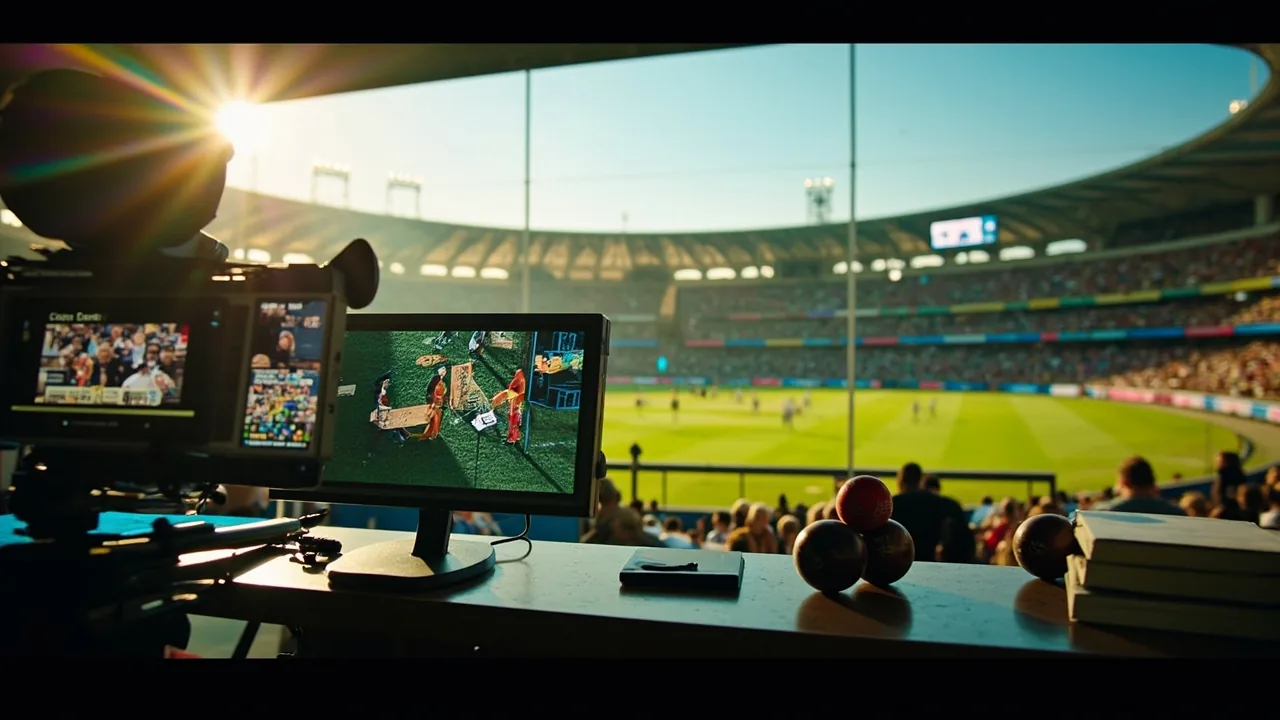
Shubman Gill on Gujarat Titans' IPL 2026 final loss — what the five-wicket defeat tells fantasy teams about his captaincy role going in
Gujarat Titans captain Shubman Gill took to Instagram after the IPL 2026 final at the Narendra Modi Stadium on May 31 to put words on a five-wicket loss to Royal Challengers Bengaluru. His reflection lands alongside a 155 for 8 total, a Washington Sundar fifty, a Virat Kohli chase masterclass, and a captain matrix that has to reset for the next cycle.
TL;DR. Shubman Gill posted on Instagram after Royal Challengers Bengaluru chased down 156 to beat Gujarat Titans by five wickets with two overs to spare in the IPL 2026 final at the Narendra Modi Stadium on May 31. Gill called the loss heavy, thanked supporters, and framed the defeat as something to come back from. The match context — a 155 for 8 total built around an unbeaten 50 from Washington Sundar, a 20 from Nishant Sindhu, three wickets for Rasikh Dar Salam, an opening 62 between Venkatesh Iyer (32 off 16) and Virat Kohli, and a chase finishing on Kohli's 75 not out off 42 with nine fours and three sixes — sits alongside his reflection. For fantasy teams, the read is that Gill's captain differential in the next cycle is not the headline of the loss; the headline is the middle-overs economy, the death-overs role share, and the auction-window consequence.
What Gill actually said on Instagram
The reflection is short, on-message, and stops short of naming any individual phase of the game. "We came so close but couldn't get over the line. It hurts deeply, and the disappointment weighs heavy, but this game that we all love teaches us so much about life. One thing it's taught me is that there is no defeat in losing, as long as we keep coming back and not give up," Gill wrote. The post does not name the chase, the middle-overs collapse, or the death-overs role share. It does not name Kohli's innings, Rasikh Dar Salam's three wickets, or the opening 62 between Iyer and Kohli. The reflection is captain-led rather than game-led, and that is consistent with the kind of post a captain posts the morning after a final loss — measured, on the team, and forward-looking.
Gill also thanked the franchise's supporters: "I want to thank each and every one of you who stood by us through the highs and the lows. Your energy pushed us to the very end." The framing matters for the fantasy read because it does not signal any structural read on the squad — no request for a release, no implication of an XI change, no comment on the auction window. The reflection lands as a captain-led closing note, and the fantasy consequence of that note is the absence of a structural signal rather than the presence of one.
The first innings — 155 for 8, Sundar's 50*, Sindhu's 20
Gujarat Titans batted first after Royal Challengers Bengaluru put them in, and the total — 155 for 8 in 20 overs — was below par on a deck that has historically held up for a chase in the second half of the evening. The only score of substance was an unbeaten 50 off 37 from Washington Sundar, who held the innings together in the back half, and a 20 off 18 from Nishant Sindhu lower in the order. Beyond those two contributions, the order did not deliver.
The bowling returns told a cleaner story. Rasikh Dar Salam took 3 for 27 in his four overs and was the only GT bowler to come out of the chase with a wicket share above his season average. Bhuvneshwar Kumar and Josh Hazlewood took two wickets each but were expensive; the rest of the attack was tagged for runs at better than nine an over through the back half. For fantasy, the read on the first innings is the role-share check: Sundar's 50* off 37 is the single biggest captaincy differential on the GT XI for any fixture with a similar surface; Sindhu's 20 off 18 is the lower-order differential that goes unnoticed on the scorecard but moves the role share on the next cycle's auction board.
The chase — Kohli's 75* and the opening 62
Royal Challengers Bengaluru got out of the powerplay without losing a wicket. Venkatesh Iyer, opening the batting, made 32 off 16; the stand with Virat Kohli was worth 62 in roughly five overs, and the asking rate after the powerplay was already under seven. Gujarat Titans did fight back through the middle, reducing the chase to 132 for 5 at one stage, but Kohli held the innings together with an unbeaten 75 off 42 — nine fours and three sixes — and finished the chase with two overs to spare.
The chase shape — a 62-run opening stand, a mid-innings wobble, and a settled Kohli finish — is the cleanest single-axis read on why RCB took the trophy. It is also the read on what GT did not have on the night: a wicket in the powerplay, a middle-overs hold against Kohli's matchup against the wrist-spin matchup, or a death-overs role share that could have pushed the asking rate above the chase ceiling. Fantasy teams reading the game through the captain matrix see exactly this — a powerplay differential that did not materialise, a middle-overs matchup that did not hold, and a death-overs role share that did not close.
The captain matrix read after the final
The captain matrix on the final reads cleanly. On the chase-friendly Ahmedabad deck that the desk flagged ahead of the fixture, the differential captain was on the chase side — the wrist-spinner who would take wickets in the middle and the powerplay aggressor who would set the asking rate. The flip happened at the toss: RCB put GT in, the chase ceiling sat at 156, and the captain differential compressed to Kohli on a chase where the wicket in hand mattered more than the strike rate at the top.
For Gujarat Titans' next cycle, the captain matrix does not change on Gill. The structural read on Gill is the captain-led anchor role — top-order anchor with a middle-overs brief, the same brief Sai Sudharsan carries at the other end of the partnership. The differential captain in the next cycle is on the role question GT has to answer in the auction window: an extra middle-overs wrist-spinner, an extra death-overs pace-anchor allrounder, or a powerplay aggressor who can take on the new ball. The final did not change Gill's role; it sharpened the read on what GT does not have around him.
What the loss tells fantasy teams going in
Three reads carry into the next cycle. The first is the role share on Sundar — an unbeaten fifty in a final lifts his role differential on every flat-deck fixture next season, and the captain pool on that matchup widens. The second is the death-overs role share on GT — the franchise went into the final without a settled pace-anchor allrounder for the back end of the innings, and the role is the cleanest single-axis read on what the franchise has to add in the auction. The third is the toss flip — a chase-friendly Ahmedabad deck still has the chase ceiling as the dominant input, and GT did not win the toss, which means the captain differential on the read was always going to land on the chase side.
Gill's reflection does not engage with any of these three reads directly. His post is captain-led and forward-looking, and the fantasy consequence is that the read has to come from the desk, not from the post. The desk's read is the same as the read that sat on the predictions hub ahead of the fixture: on a flat Ahmedabad deck, the chase ceiling was the input that decided the captain differential; RCB won the toss-decision lottery and finished the chase with two overs to spare.
What we do not yet know
Three things remain unknown. First, GT has not confirmed any auction-window read yet — the desk will update the franchise desk as soon as the franchise publishes a confirmed retention list. Second, RCB's chase read does not yet name the impact-player slot for the WPL-style final that closes the calendar — the role on that slot is an open question. Third, Gill has not commented on his own batting position for the next cycle, and the desk holds the read on any role change at the top of the GT order until the franchise confirms.
All three unknowns feed into the next update on this page. The desk publishes a correction note at the top of the article if any of these inputs changes — if GT names a retention list, if RCB confirms a chase-role read for the next cycle, or if Gill names a role shift at the top of the order. Until then, the article stands as the desk's read on the IPL 2026 final and Gill's reflection, with the structural reads named and the unknowns named alongside them.
Related coverage from the desk
The related coverage for this story sits on three desks: the Gujarat Titans franchise desk, where the squad-shape, role-question and venue reads on GT carry forward into the next cycle; the predictions hub, where the chase-friendly Ahmedabad read and the toss flip feed the captain matrix on the next GT fixture window; and the broader news desk, where every confirmed update from the franchise, the league, or Gill's representative is published within an hour. For a fuller picture of the IPL 2026 final and the wider season, the news desk keeps a single feed at the top of the news landing page — browse the latest from the desk for the verified updates as they publish.
Frequently asked
What did Shubman Gill say after the IPL 2026 final?
In an Instagram post after the five-wicket loss to Royal Challengers Bengaluru at the Narendra Modi Stadium on May 31, Gill wrote that the side "came so close but couldn't get over the line," called the disappointment heavy, and thanked supporters for "pushing us to the very end."
How did the IPL 2026 final play out?
Gujarat Titans batted first and made 155 for 8 in 20 overs — Washington Sundar 50 not out off 37, Nishant Sindhu 20 off 18. Royal Challengers Bengaluru chased it down with two overs to spare, anchored by Virat Kohli's unbeaten 75 off 42 (nine fours, three sixes) after an opening stand of 62 with Venkatesh Iyer (32 off 16). Rasikh Dar Salam took 3 for 27.
Was the IPL 2026 final RCB's second title?
Yes. The win is Royal Challengers Bengaluru's second IPL title and their fourth Indian franchise cricket trophy overall, including two Women's Premier League titles.
What does the final mean for Gill's fantasy role going into the next cycle?
The captain-innings anchor role stands. Gill's captain differential sits with the toss read and the venue split — on flat decks he stays Tier-1, on slow decks the differential moves off him. The final's middle-overs economy is the structural read on what GT needs to add in the next auction window.
Editorial note. This article is part of an independent newsroom. The source for Gill's quoted reflection is the Instagram post cited in The News Mill's report on the IPL 2026 final; the match context is drawn from the same report. The verification tag is confirmed for the published scorecard and the published quote; the captain-matrix read is editorial and is updated within 24 hours of any change in the inputs.